
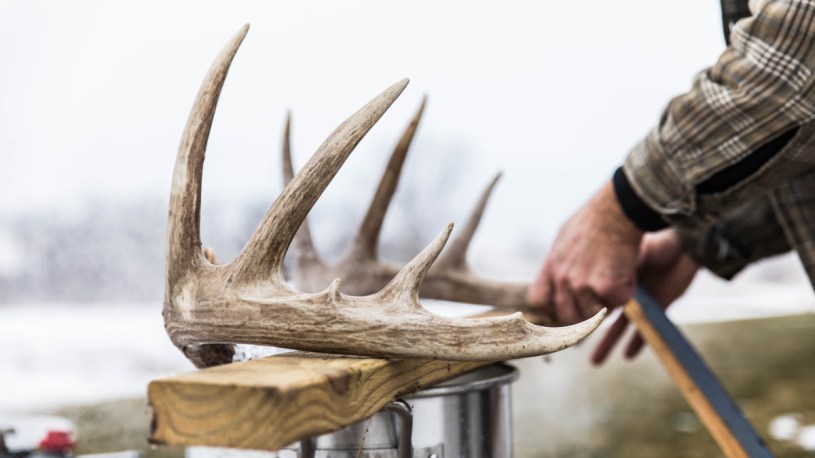
The art of skull cleaning has a diverse history that spans cultures and centuries. From ancient times to modern days, individuals have used various strategies to clean and preserve skulls. The skulls can be used for educational, artistic, and scientific reasons. This guide will explore what is skull cleaning and various strategies used to clean them, including the popular method of skull cleaning beetles.
What is skull cleaning?
Skull cleaning, or skull preparation, refers to removing flesh, tissue, and other organic matter from a skull to prepare it for display, study, or collection. This is often done with animal skulls for educational, artistic, or scientific reasons. There are various methods used to clean skulls, including:
- Dermestid Beetle Colony
Skull cleaning beetles are a group of scavenger insects with unique potential to clean bones efficiently. They are nature’s cleanup crew, mostly found in ecosystems where they play a crucial role in decomposing dead animals. Their scavenging ability has been harnessed by enthusiasts and forensic researchers to clean skulls without causing damage.
Why Choose Skull Cleaning Beetles?
Some reasons make skull cleaning beetle strategies more popular and ideal include;
- Gentle and Non-Destructive
One of the primary reasons for the growing popularity of skull-cleaning beetles is their gentle approach to cleaning bones. Unlike boiling or chemical ways that can damage delicate bone structures, dermestid beetles meticulously consume only the flesh, leaving behind a clean and intact skull.
- Preservation of Fine Details
Conventional methods like boiling can make bones become brittle and lose intricate details. Dermestid beetles, however, leave bone structures intact, making them great for cleaning skulls of animals that are intended for display, study, or artistic purposes.
- Natural and Eco-Friendly
Skull-cleaning beetles provide a sustainable and eco-friendly method for cleaning skulls. Their natural behavior minimizes the need for harsh chemicals or excessive energy consumption, aligning with environmental conservation principles.
- Efficiency
Dermestid beetles are remarkably efficient cleaners. A colony of these beetles can clean a skull within a matter of weeks, depending on the size of the skull and the number of beetles present. This efficiency is especially essential for those who need cleaned skulls for research or artistic projects on a tight timeline.
- Burying
Burying skulls in a shallow grave helps promote natural decomposition. Burying helps protect the skull from scavengers’ attack while allowing the tissues to break down. It’s vital to ensure that the burial site is in a safe area to avoid disturbance or theft.
- Boiling
Boiling the skull in water is another strategy that aids in breaking down and removing tissues. However, this hack can be risky, as boiling for too long or at too high a temperature can damage the bone and cause it to become fragile. It’s ideal to monitor the process closely using this method.
- Chemical Solutions
Chemical solutions such as hydrogen peroxide can aid in whitening and disinfecting the bone after removing the bulk of the tissue. However, you should use chemicals cautiously, as they can damage bone if not used properly.
Final thoughts
Skulls are important as they bring back history into real life and guide learners. However, When cleaning a skull, it’s good to consider the legal and ethical aspects of obtaining the skull. In most cases, collecting skulls or other animal remains from protected species or specific areas is illegal.
 Sports Blog